
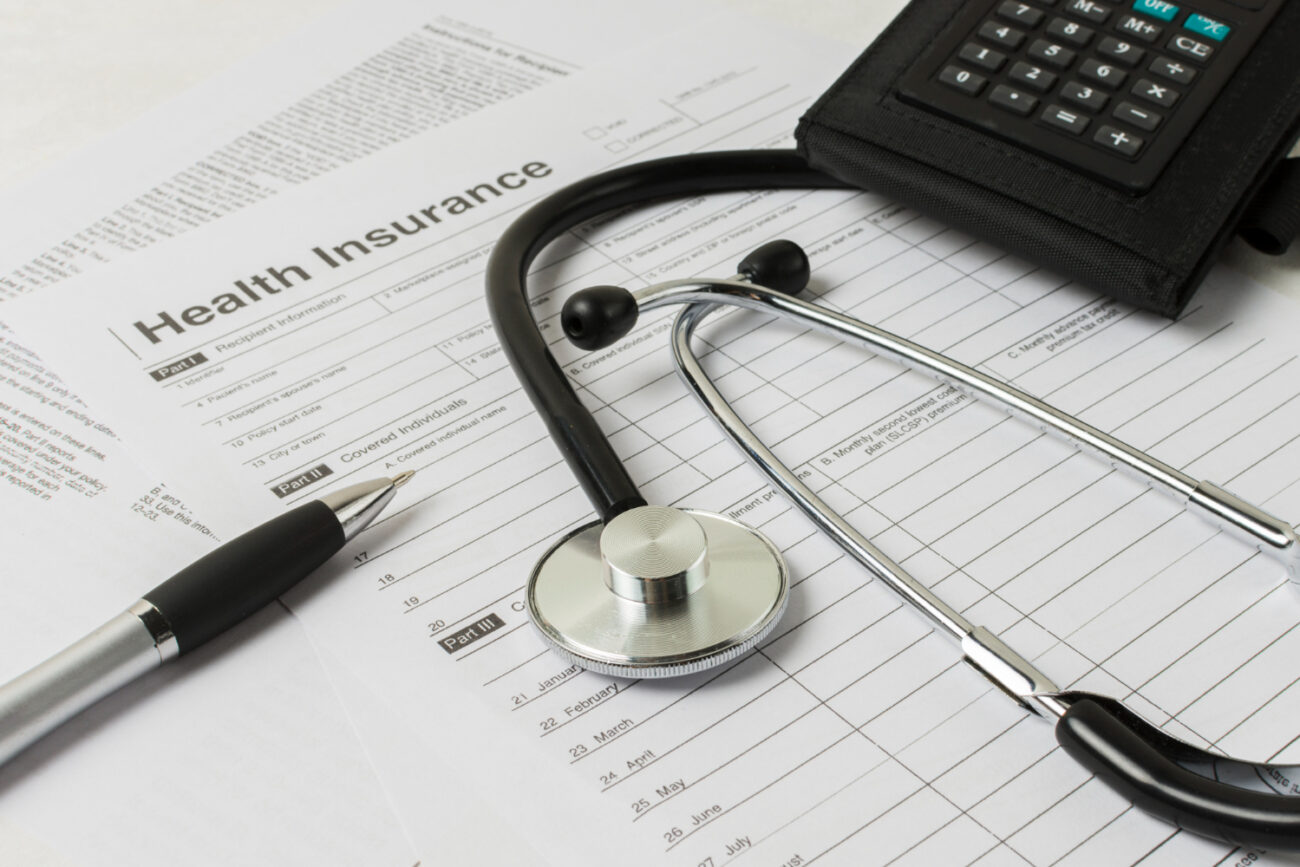
Why Affordable Health Insurance Matters in 2026
Health insurance is no longer a luxury. It is now one of the most important financial tools for families, students, freelancers, employees, and retirees. Medical costs continue to rise every year. A simple doctor visit, emergency surgery, or hospital stay can quickly become expensive.
Many people believe that quality health insurance always comes with a high monthly payment. That is not true. Today, many companies offer affordable health insurance plans that provide strong coverage without costing too much each month.
The challenge is finding the right plan. Some plans look cheap at first but come with high deductibles and hidden costs. Others provide better benefits at lower prices if you know where to look.
This guide explains how to find top-rated health insurance plans with low monthly premiums. You will learn how these plans work, what features to compare, and how to choose the best coverage for your budget.
What Is a Health Insurance Premium?
A health insurance premium is the amount you pay every month to keep your health coverage active.
For example:
- If your premium is $150, you pay $150 every month
- If your premium is $400, you pay $400 monthly
Your premium is separate from other healthcare costs like:
- Deductibles
- Copays
- Coinsurance
- Prescription costs
A low monthly premium means your monthly payment is affordable. However, you must also check what the plan covers before making a decision.
How Health Insurance Works
Health insurance helps pay for medical expenses. Instead of paying the full cost yourself, the insurance company shares the cost with you.
Most plans cover:
- Doctor visits
- Emergency care
- Hospital stays
- Prescription drugs
- Preventive care
- Mental health services
- Maternity care
You pay a monthly premium, and the insurance provider helps cover eligible medical bills.
Why People Choose Low Monthly Premium Plans
Many people prefer affordable health insurance because it helps reduce monthly expenses.
Low premium plans are popular among:
- Young adults
- Healthy individuals
- Freelancers
- Small business owners
- Students
- Families on tight budgets
- Retirees looking to save money
These plans can provide financial protection without placing too much pressure on monthly income.
Features of the Best Affordable Health Insurance Plans
Not all low-cost plans are good. The best affordable health insurance plans offer a balance between low premiums and useful coverage.
Here are the most important features to look for.
Affordable Monthly Costs
The monthly payment should fit comfortably into your budget.
A good rule is to avoid spending so much on premiums that you struggle to pay other bills.
Reasonable Deductibles
A deductible is the amount you pay before insurance starts covering costs.
Example:
- Deductible = $2,000
- You pay the first $2,000 of covered medical expenses
Some low-premium plans have very high deductibles. Make sure the deductible is still manageable.
Wide Doctor Network
Choose a plan with a large network of doctors and hospitals.
This gives you more choices and lowers your out-of-pocket costs.
Prescription Drug Coverage
Medication costs can become expensive quickly.
A quality health insurance plan should cover:
- Generic medications
- Brand-name prescriptions
- Specialty drugs
Preventive Care Benefits
Top-rated plans usually include free preventive services such as:
- Annual checkups
- Vaccinations
- Blood pressure tests
- Cancer screenings
Preventive care helps detect problems early and saves money long term.
Emergency Coverage
Accidents and emergencies happen unexpectedly.
A good health plan should include:
- Emergency room visits
- Ambulance services
- Urgent care coverage
Types of Affordable Health Insurance Plans
There are several types of health insurance plans available today.
Understanding the differences helps you choose wisely.
HMO Plans
HMO stands for Health Maintenance Organization.
These plans usually have:
- Lower monthly premiums
- Smaller provider networks
- Required primary care doctors
- Referral requirements for specialists
HMO plans are often affordable and good for people who want lower costs.
PPO Plans
PPO means Preferred Provider Organization.
These plans offer:
- More flexibility
- Larger doctor networks
- No referral requirements
- Out-of-network coverage
PPO plans usually cost more but provide greater freedom.
EPO Plans
EPO stands for Exclusive Provider Organization.
These plans combine features of HMO and PPO plans.
Benefits include:
- Lower costs than PPO plans
- No referrals needed
- Moderate network flexibility
High-Deductible Health Plans
These plans have:
- Very low monthly premiums
- Higher deductibles
They are best for healthy people who rarely visit the doctor.
Many high-deductible plans also include Health Savings Accounts (HSAs).
Best Health Insurance Companies With Low Premiums
Several insurance providers are known for affordable coverage and strong customer satisfaction.
Here are some of the top-rated options in 2026.
Kaiser Permanente
Kaiser Permanente is known for affordable premiums and excellent customer service.
Key benefits include:
- Strong preventive care
- Affordable HMO plans
- Integrated healthcare system
- Good customer satisfaction ratings
Kaiser works best in areas where its network is widely available.
Blue Cross Blue Shield
Blue Cross Blue Shield offers plans across many states and regions.
Benefits include:
- Large doctor networks
- Different pricing levels
- Strong nationwide presence
- Flexible PPO options
BCBS is popular among families and travelers.
UnitedHealthcare
UnitedHealthcare offers affordable plans for individuals and employers.
Popular features include:
- Telehealth services
- Wellness programs
- Large provider network
- Competitive premium pricing
Aetna
Aetna provides budget-friendly plans with useful digital tools.
Benefits include:
- Online health management
- Prescription savings
- Affordable employer plans
- Strong preventive care options
Cigna
Cigna is known for global coverage and wellness support.
Advantages include:
- Mental health benefits
- International coverage options
- Flexible plan choices
- Good customer support
How to Compare Health Insurance Plans
Comparing plans carefully can save you thousands of dollars over time.
Compare Monthly Premiums
Start with the monthly payment amount.
However, never choose a plan based only on the cheapest premium.
Review Deductibles
Low premiums sometimes come with very high deductibles.
Calculate how much you could realistically pay during an emergency.
Check Out-of-Pocket Maximums
This is the most you will pay in a year before insurance covers 100% of eligible costs.
Lower out-of-pocket maximums provide better financial protection.
Study Provider Networks
Make sure your preferred:
- Doctors
- Hospitals
- Specialists
- Clinics
are included in the network.
Compare Prescription Benefits
Review medication coverage carefully if you take regular prescriptions.
Check:
- Drug formularies
- Copay amounts
- Pharmacy networks
Affordable Health Insurance for Families
Families need coverage that balances affordability and strong protection.
Important features include:
- Pediatric care
- Emergency services
- Maternity coverage
- Family deductibles
- Child wellness visits
Family plans often cost more monthly, but subsidies may reduce the price significantly.
Health Insurance for Young Adults
Young adults often qualify for low-cost plans because they are generally healthier.
Popular options include:
- Catastrophic plans
- High-deductible plans
- Marketplace bronze plans
These plans usually offer low monthly premiums and protection against major medical emergencies.
Best Low-Cost Plans for Freelancers
Freelancers do not receive employer-sponsored coverage, so affordable insurance becomes essential.
Freelancers should look for:
- Marketplace subsidies
- Telehealth benefits
- Flexible networks
- Preventive care coverage
Income-based savings can reduce monthly premiums dramatically.
Health Insurance for Self-Employed Individuals
Self-employed workers need dependable coverage that protects both health and finances.
Many insurers now offer:
- Flexible payment options
- Digital healthcare tools
- Tax-advantaged HSA plans
- Nationwide coverage
Choosing the right deductible level is especially important for self-employed individuals.
Government Health Insurance Options
Government-supported programs can reduce healthcare costs significantly.
Medicaid
Medicaid helps low-income individuals and families access healthcare.
Benefits often include:
- Low or no premiums
- Comprehensive coverage
- Prescription support
Eligibility depends on income and state rules.
Medicare
Medicare mainly serves:
- Seniors
- Disabled individuals
ACA Marketplace Plans
Affordable Care Act marketplace plans help millions of Americans access affordable insurance.
Benefits include:
- Subsidies
- Income-based savings
- Essential health coverage
- Preventive care
Many people qualify for reduced monthly premiums.
How to Lower Your Health Insurance Costs
There are several ways to save money without losing important coverage.
Use Preventive Care
Preventive services help avoid serious health issues later.
Many plans cover preventive care at no extra cost.
Choose Generic Medications
Generic drugs usually cost much less than brand-name prescriptions.
Ask your doctor if generic options are available.
Stay In-Network
Using in-network providers reduces medical bills significantly.
Out-of-network care is usually more expensive.
Consider an HSA
Health Savings Accounts allow you to save money tax-free for medical expenses.
They work well with high-deductible plans.
Compare Plans Every Year
Insurance prices and benefits change yearly.
Review your options during open enrollment to find better deals.
Common Mistakes to Avoid
Many people make expensive mistakes when buying health insurance.
Choosing the Cheapest Plan Only
The lowest monthly premium is not always the best value.
Always compare total costs.
Ignoring Deductibles
A plan with a low premium but huge deductible may cost more later.
Skipping Prescription Checks
Your medications may not be fully covered.
Always verify prescription benefits first.
Missing Enrollment Deadlines
Missing open enrollment could limit your options or leave you uninsured.
Not Reading Coverage Details
Always read the summary of benefits carefully before signing up.
Why Customer Reviews Matter
Customer reviews reveal real experiences with insurance companies.
Look for reviews discussing:
- Claim approvals
- Customer service
- Billing problems
- Network quality
- Prescription coverage
Top-rated companies usually handle claims faster and provide better support.
Digital Healthcare and Telemedicine
Many insurance companies now offer telehealth services.
Benefits include:
- Virtual doctor visits
- Lower costs
- Faster appointments
- Convenient healthcare access
Telemedicine became extremely popular because it saves time and money.
How Inflation Affects Health Insurance
Healthcare inflation increases costs for:
- Hospital services
- Prescription drugs
- Medical equipment
Insurance companies adjust premiums yearly based on these rising expenses.
Comparing plans annually helps you find the best value.
Understanding Bronze, Silver, Gold, and Platinum Plans
Marketplace plans are divided into metal categories.
Bronze Plans
- Lowest premiums
- Highest deductibles
- Good for healthy individuals
Silver Plans
- Moderate premiums
- Balanced coverage
- Popular for families
Gold Plans
- Higher premiums
- Lower out-of-pocket costs
- Better for frequent medical care
Platinum Plans
- Highest premiums
- Lowest medical expenses later
- Best for people with major healthcare needs
Can Cheap Health Insurance Still Be Good?
Yes. Affordable health insurance can still provide excellent protection.
A good plan depends on:
- Your health needs
- Budget
- Doctor preferences
- Prescription usage
The best value comes from balancing monthly costs and coverage quality.
How Employers Help Lower Insurance Costs
Employer-sponsored health insurance often costs less because employers share premium expenses.
Benefits may include:
- Lower monthly premiums
- Better coverage
- Wellness programs
- Dental and vision add-ons
If available, employer plans are usually worth considering first.
Health Insurance for Students
Students often need affordable plans with flexible coverage.
Options include:
- University health plans
- Parent coverage until age 26
- Marketplace plans
- Medicaid eligibility
Students should focus on low-cost preventive care and emergency coverage.
Short-Term Health Insurance Plans
Short-term plans offer temporary coverage.
These plans may help during:
- Job transitions
- Waiting periods
- Temporary unemployment
However, short-term policies may not cover pre-existing conditions or essential benefits.
Mental Health Coverage
Mental health support is increasingly important.
Quality plans now include:
- Therapy sessions
- Counseling
- Psychiatric care
- Substance abuse treatment
Mental healthcare coverage can improve long-term well-being.
Maternity and Newborn Coverage
Families planning for children should check maternity benefits carefully.
Good plans include:
- Prenatal visits
- Delivery costs
- Postnatal care
- Newborn coverage
Maternity care can become expensive without insurance.
Emergency Medical Protection
Medical emergencies can create massive debt.
Health insurance protects against:
- Emergency surgeries
- Intensive care
- Ambulance bills
- Trauma care
Even affordable plans provide important emergency protection.
The Importance of Annual Checkups
Regular checkups help identify health problems early.
Benefits include:
- Lower long-term costs
- Better treatment outcomes
- Early disease detection
- Improved overall health
Preventive healthcare is one of the most valuable insurance benefits.
What to Ask Before Buying a Plan
Before choosing a health insurance policy, ask:
- What is the monthly premium?
- What is the deductible?
- Are my doctors included?
- What prescriptions are covered?
- What is the out-of-pocket maximum?
- Are specialists covered?
- Does the plan include telehealth?
These questions help avoid future surprises.
Future Trends in Health Insurance
The healthcare industry continues to evolve.
Future trends may include:
- AI-powered healthcare support
- Expanded telemedicine
- Personalized coverage plans
- Lower digital healthcare costs
- Faster claim processing
Technology will likely make healthcare more convenient and efficient.
Tips for Choosing the Best Affordable Plan
Set a Monthly Budget
Know how much you can comfortably spend each month.
Estimate Your Medical Needs
Think about:
- Doctor visits
- Prescriptions
- Ongoing treatments
- Family healthcare needs
Compare Multiple Providers
Never choose the first plan you see.
Comparing providers helps you find better coverage at lower prices.
Read the Fine Print
Coverage details matter.
Always review:
- Exclusions
- Copays
- Network limitations
- Prescription policies
Use Online Comparison Tools
Comparison tools make shopping easier and faster.
You can compare:
- Premiums
- Benefits
- Deductibles
- Ratings
within minutes.
Best Affordable Health Insurance Strategies
To maximize savings:
- Choose preventive care first
- Stay healthy
- Use in-network providers
- Review plans yearly
- Consider HSAs
- Compare deductibles carefully
Small decisions can save thousands of dollars over time.
Final Thoughts on Low Premium Health Insurance
Finding top-rated health insurance plans with low monthly premiums is possible when you compare carefully and understand your healthcare needs.
Affordable coverage does not mean poor protection. Many excellent plans offer strong benefits, preventive care, emergency support, and prescription coverage at reasonable monthly costs.
The key is balancing:
- Monthly premiums
- Deductibles
- Provider networks
- Coverage quality
Take time to review your options, compare companies, and choose a plan that protects both your health and your finances.
Good health insurance provides peace of mind, financial security, and access to quality medical care when you need it most.
You can also read : How to Switch Car Insurance and Save Money Instantly
Conclusion
Choosing the right health insurance plan can feel overwhelming, but the process becomes easier when you focus on value instead of price alone. The top-rated health insurance plans with low monthly premiums combine affordability, reliable coverage, and strong customer support.
Before selecting a plan, compare premiums, deductibles, doctor networks, prescription benefits, and out-of-pocket costs. A smart choice today can protect you from unexpected medical expenses tomorrow.
Whether you are a student, freelancer, family member, retiree, or self-employed worker, there are affordable health insurance options available that match your needs and budget. By researching carefully and reviewing plans annually, you can save money while still receiving quality healthcare coverage in 2026 and beyond.
