
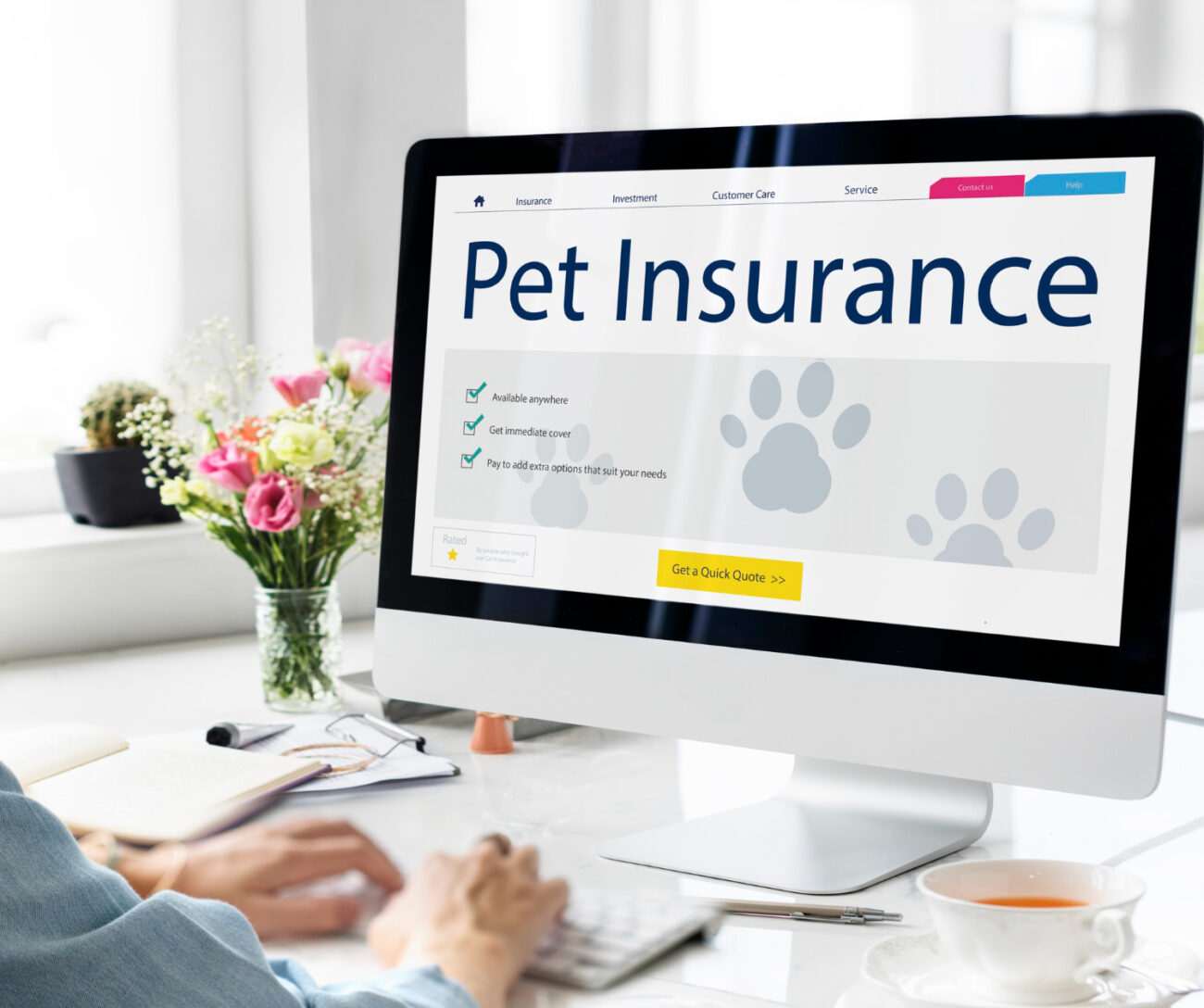
Pets are more than animals. They are family members. Whether you own a playful puppy, a senior dog, or an indoor cat, you want the best care for them. However, vet costs continue to rise every year. A simple emergency visit can cost hundreds or even thousands of dollars.
This is why many pet owners now look for affordable pet insurance with full coverage. The right policy can help cover accidents, illnesses, surgeries, medications, and even routine care. It also gives peace of mind during unexpected situations.
The good news is that getting full coverage does not always mean paying expensive monthly premiums. Today, many insurance companies offer flexible plans for different budgets. You can compare options online, customize coverage, and save money in minutes.
In this guide, you will learn how to find affordable pet insurance, what full coverage includes, how to compare providers, and ways to reduce your monthly costs while protecting your furry friend.
Why Pet Insurance Matters in 2026
Pet ownership has increased around the world. At the same time, veterinary technology has improved. Modern treatments can save pets’ lives, but they can also be expensive.
Here are some common vet costs in 2026:
| Treatment | Average Cost |
|---|---|
| Emergency exam | $150 – $300 |
| X-rays | $200 – $500 |
| Surgery | $1,500 – $5,000 |
| Cancer treatment | $3,000 – $10,000 |
| Broken bone treatment | $2,000 – $6,000 |
| Allergy medication | $50 – $200 monthly |
Without insurance, these costs can create financial stress for pet owners.
Pet insurance helps by reimbursing a large percentage of eligible medical expenses. Depending on your plan, you may receive 70%, 80%, or even 90% reimbursement.
What Is Full Coverage Pet Insurance?
Full coverage pet insurance usually includes:
Accident Coverage
This helps pay for injuries caused by accidents such as:
- Broken bones
- Bite wounds
- Poisoning
- Swallowed objects
- Car accidents
Illness Coverage
Illness protection covers many health conditions, including:
- Infections
- Diabetes
- Cancer
- Arthritis
- Skin problems
- Digestive issues
Emergency Care
Emergency vet visits can become very expensive. Full coverage often includes:
- Emergency surgery
- Overnight hospitalization
- Intensive treatments
Prescription Medication
Many plans help pay for medications prescribed by a veterinarian.
Diagnostic Testing
Tests may include:
- Blood work
- MRIs
- Ultrasounds
- CT scans
- Lab testing
Hereditary and Chronic Conditions
Some breeds are more likely to develop health conditions. Good insurance can cover hereditary illnesses and chronic diseases.
Optional Wellness Coverage
Many companies offer add-ons for:
- Vaccinations
- Flea prevention
- Dental cleaning
- Annual checkups
- Spaying or neutering
How Affordable Pet Insurance Works
Pet insurance works differently from human health insurance.
Most plans follow this process:
- You visit the veterinarian.
- You pay the bill upfront.
- You submit a claim online.
- The insurance company reimburses eligible costs.
Monthly premiums depend on several factors:
- Pet age
- Breed
- Location
- Coverage type
- Deductible amount
- Reimbursement percentage
The average monthly premium in 2026 is:
- Dogs: $35 to $80
- Cats: $20 to $50
However, many affordable plans start below these averages.
Best Ways to Find Affordable Pet Insurance
Compare Multiple Providers
Never choose the first insurance company you find.
Compare:
- Monthly premiums
- Deductibles
- Annual limits
- Waiting periods
- Exclusions
- Customer reviews
Online comparison tools can help you review plans quickly.
Buy Insurance Early
Young pets usually qualify for cheaper premiums.
Older pets often cost more to insure because they are more likely to develop medical conditions.
Buying coverage early can also help you avoid exclusions for pre-existing conditions.
Choose a Higher Deductible
A deductible is the amount you pay before insurance starts reimbursing you.
For example:
- $100 deductible = higher monthly premium
- $500 deductible = lower monthly premium
If you can handle larger emergency expenses, choosing a higher deductible can reduce monthly costs.
Adjust the Reimbursement Rate
Most companies offer reimbursement options such as:
- 70%
- 80%
- 90%
Lower reimbursement percentages usually mean cheaper monthly payments.
Avoid Paying for Unnecessary Add-Ons
Some pet owners only need accident and illness coverage.
If your pet is healthy, you may skip wellness extras to save money.
Look for Multi-Pet Discounts
Many insurers offer discounts when you insure multiple pets.
These discounts often range from 5% to 10%.
Check Annual Limits
Some plans offer unlimited annual coverage, while others cap payouts.
Affordable plans often include annual limits like:
- $5,000
- $10,000
- $15,000
Choose a limit that matches your pet’s needs and your budget.
Important Features to Look For
No Lifetime Limits
A good plan should continue coverage throughout your pet’s life.
Some cheaper plans limit payouts for chronic illnesses.
Fast Claim Processing
Quick reimbursement matters during emergencies.
Many modern insurers process claims within:
- 2 to 10 business days
Flexible Vet Choice
The best pet insurance companies allow you to visit any licensed veterinarian.
This gives you more freedom and convenience.
Coverage for Hereditary Conditions
Certain breeds are more likely to develop inherited illnesses.
Examples include:
- Hip dysplasia
- Heart disease
- Eye disorders
Check if these conditions are covered before buying a plan.
Dental Coverage
Dental problems are common in pets.
Some plans include coverage for:
- Tooth extraction
- Gum disease
- Oral infections
Common Exclusions in Pet Insurance
Understanding exclusions helps you avoid surprises later.
Pre-Existing Conditions
Most insurers do not cover illnesses or injuries diagnosed before enrollment.
Cosmetic Procedures
Procedures like tail docking or ear cropping are usually excluded.
Breeding Costs
Pregnancy and breeding-related expenses may not be covered.
Experimental Treatments
Alternative or experimental therapies may have limited coverage.
Best Types of Pet Insurance Plans
Accident-Only Plans
These plans are the cheapest option.
They cover injuries caused by accidents but not illnesses.
Best for:
- Tight budgets
- Young healthy pets
Accident and Illness Plans
This is the most popular type of coverage.
It balances affordability with strong protection.
Best for:
- Most dog and cat owners
Comprehensive Wellness Plans
These include preventive care and routine services.
Best for:
- Owners wanting complete protection
How Breed Affects Insurance Costs
Different breeds have different health risks.
Dog Breeds With Higher Insurance Costs
Examples include:
- Bulldogs
- German Shepherds
- Golden Retrievers
- Rottweilers
These breeds may develop chronic conditions more often.
Cat Breeds With Higher Insurance Costs
Examples include:
- Persian cats
- Maine Coons
- Sphynx cats
Mixed Breeds Often Cost Less
Mixed-breed pets sometimes have fewer hereditary issues, which may lower insurance costs.
How Age Impacts Pet Insurance
Age is one of the biggest pricing factors.
Puppies and Kittens
Young pets usually receive:
- Lower premiums
- Better coverage options
Senior Pets
Older pets often have:
- Higher premiums
- More exclusions
- Waiting periods
Some insurers also limit enrollment age.
Waiting Periods Explained
Most pet insurance companies have waiting periods before coverage begins.
Typical waiting periods include:
| Coverage Type | Waiting Period |
|---|---|
| Accidents | 1 – 14 days |
| Illnesses | 14 – 30 days |
| Orthopedic issues | 6 – 12 months |
Always read the policy carefully.
How to Compare Pet Insurance Online
Step 1: Gather Pet Information
You will usually need:
- Pet age
- Breed
- Weight
- Medical history
Step 2: Request Quotes
Most websites provide instant quotes in minutes.
Step 3: Compare Coverage Details
Do not focus only on price.
Compare:
- Deductibles
- Limits
- Exclusions
- Reimbursement rates
Step 4: Read Customer Reviews
Reviews can reveal:
- Claim speed
- Customer support quality
- Hidden issues
Step 5: Buy the Best Plan
After comparing options, enroll online and activate your policy.
Tips to Lower Vet Costs Even With Insurance
Insurance helps, but smart pet care also saves money.
Schedule Regular Checkups
Early detection prevents expensive treatments later.
Keep Vaccinations Updated
Vaccines help avoid serious illnesses.
Maintain Healthy Weight
Obesity increases the risk of diabetes and joint problems.
Practice Preventive Care
Use:
- Flea prevention
- Tick control
- Dental cleaning
Is Pet Insurance Worth It?
Many pet owners ask this question.
The answer depends on:
- Your financial situation
- Your pet’s breed
- Your risk tolerance
For many families, pet insurance provides valuable protection against unexpected emergencies.
Here is a simple example:
Without insurance:
- Emergency surgery = $4,000
With insurance:
- 90% reimbursement
- You may pay only $400 plus deductible
That difference can be life-changing.
Best Time to Buy Pet Insurance
The best time is when your pet is still young and healthy.
Benefits include:
- Lower premiums
- Fewer exclusions
- Better long-term savings
Waiting until your pet becomes sick may limit your coverage options.
Mistakes to Avoid When Buying Pet Insurance
Choosing the Cheapest Plan Only
Low-cost plans may have:
- Limited coverage
- Low reimbursement
- Strict exclusions
Ignoring Policy Details
Always read:
- Fine print
- Waiting periods
- Exclusions
- Coverage limits
Waiting Too Long
Health problems can become pre-existing conditions if you delay coverage.
Forgetting Annual Coverage Limits
Low annual limits may not cover major surgeries or long-term illnesses.
Questions to Ask Before Buying
Before purchasing pet insurance, ask these questions:
Does the plan cover hereditary conditions?
Are chronic illnesses covered for life?
Can I visit any veterinarian?
How fast are claims processed?
Is dental treatment included?
Are prescription medications covered?
Is there a waiting period?
Are there annual payout limits?
Affordable Pet Insurance for Dogs
Dogs often require more medical care than cats.
Popular dog insurance coverage includes:
- Hip dysplasia treatment
- Surgery
- Allergy medication
- Emergency care
Larger dogs usually cost more to insure because they face greater health risks.
Affordable Pet Insurance for Cats
Cat insurance is usually cheaper than dog insurance.
Coverage often includes:
- Urinary tract treatment
- Diabetes care
- Dental disease
- Cancer treatment
Indoor cats may receive lower premiums than outdoor cats.
Full Coverage vs Basic Coverage
Basic Coverage
Usually includes:
- Accidents only
- Limited reimbursements
Best for very small budgets.
Full Coverage
Usually includes:
- Accidents
- Illnesses
- Emergency care
- Diagnostics
- Medications
- Surgery
Best for long-term financial protection.
Can You Use Any Veterinarian?
Most modern pet insurance companies allow visits to any licensed veterinarian.
This includes:
- Emergency clinics
- Specialists
- Animal hospitals
Some plans even cover treatment while traveling abroad.
Digital Tools Make Insurance Easier
Today’s insurers offer mobile apps that help pet owners:
- Submit claims
- Upload invoices
- Track reimbursements
- Manage policies
This convenience saves time and reduces stress.
Signs of a Good Pet Insurance Company
A trustworthy company usually has:
- Transparent pricing
- Clear policy terms
- Positive customer reviews
- Fast claim approvals
- Strong customer service
Researching companies carefully can prevent future problems.
How Inflation Affects Vet Costs
Veterinary costs continue to rise because of:
- Advanced technology
- Higher medication costs
- Increased demand for pet care
Insurance helps protect pet owners from these rising expenses.
Emergency Situations Where Insurance Helps Most
Insurance becomes especially valuable during emergencies such as:
- Car accidents
- Poisoning
- Broken bones
- Emergency surgery
- Severe infections
Unexpected emergencies can happen anytime.
Should Indoor Pets Have Insurance?
Some owners believe indoor pets do not need insurance.
However, indoor pets can still face:
- Illnesses
- Dental disease
- Cancer
- Accidental injuries
Insurance can still provide major financial benefits.
Pet Insurance and Chronic Illnesses
Chronic illnesses may require years of treatment.
Examples include:
- Diabetes
- Arthritis
- Heart disease
Full coverage insurance can help reduce long-term costs significantly.
Wellness Plans vs Emergency Coverage
Wellness Plans
Cover preventive care such as:
- Vaccines
- Checkups
- Dental cleaning
Emergency Coverage
Focuses on unexpected illnesses and accidents.
Some owners combine both for complete protection.
How to Read Pet Insurance Policies
Reading policies carefully helps avoid misunderstandings.
Pay close attention to:
- Exclusions
- Waiting periods
- Reimbursement percentages
- Deductibles
- Coverage limits
Never assume all plans are identical.
Online Pet Insurance Quotes Save Time
Online quote tools make it easy to compare plans quickly.
Benefits include:
- Instant pricing
- Easy comparisons
- Fast enrollment
- Mobile-friendly applications
You can often purchase coverage in less than 15 minutes.
The Future of Pet Insurance
The pet insurance industry continues to grow rapidly.
Future trends may include:
- AI-powered claims processing
- Personalized pricing
- Better wellness coverage
- Faster reimbursements
Competition may also help lower prices for consumers.
Final Checklist Before Buying Pet Insurance
Use this checklist before purchasing a policy:
- Compare multiple quotes
- Review exclusions
- Understand deductibles
- Check reimbursement percentages
- Confirm annual limits
- Read customer reviews
- Verify hereditary condition coverage
- Compare waiting periods
This process helps you choose the best affordable plan.
You can also read : Compare Business Insurance Quotes Online and Save More Money
Conclusion
Finding affordable pet insurance with full coverage today is easier than ever. Modern insurance companies offer flexible plans for every budget, making it possible to protect your pet without overspending.
The best approach is to compare several providers, understand policy details, and buy coverage while your pet is still healthy. Full coverage plans can help pay for accidents, illnesses, surgeries, medications, and emergency treatments that might otherwise become overwhelming financially.
Pet insurance is not just about saving money. It is about protecting your pet’s health and giving yourself peace of mind during difficult situations. Whether you own a dog, cat, puppy, or senior pet, the right insurance plan can make a huge difference when unexpected medical issues appear.
Take time to compare quotes online today. A few minutes of research now could save you hundreds or even thousands of dollars in future vet bills while helping your beloved pet receive the care they deserve.
